The Critical Role of Trees in Supporting Local Wildlife: A Guide for Property Owners Jan 20, 2026
First and foremost, trees provide essential habitat for a multitude of wildlife. Birds, mammals, insects, and more find refuge among the branches, bark, leaves, and roots of trees. Each tree species provides different types of shelter; for instance, oaks and maples house more insect species than any other tree, forming the base of a healthy food chain. By preserving a diverse variety of trees on your property, you're inviting a wider array of wildlife to flourish.
In addition to offering shelter, trees are vital food sources. Many animals rely on trees for sustenance, from the fruit and nuts they produce to the leaves and bark some species consume. For instance, fruit-bearing trees like cherry or apple are particularly valuable in supporting birds and mammals, especially during colder months when food resources can be scarce. By selecting a mix of trees that flower and fruit at different times, you ensure continuous food availability for wildlife.
Moreover, trees play a crucial role in supporting biodiversity by maintaining ecological balance. They provide corridors for wildlife movement and connectivity between different habitats. This is particularly important in suburban and urban areas where natural habitats are fragmented. Retaining and planting native trees can contribute significantly to local biodiversity, making your property a green haven within the community.
Trees also contribute to climate regulation, another important factor in supporting wildlife. Their ability to reduce temperatures through shading and cooling is essential, particularly in hotter climates. Trees absorb carbon dioxide, a critical function in mitigating the impacts of climate change, which is one of the greatest threats to global biodiversity. By maintaining healthy trees, property owners actively combat climate change, indirectly supporting wildlife resilience.
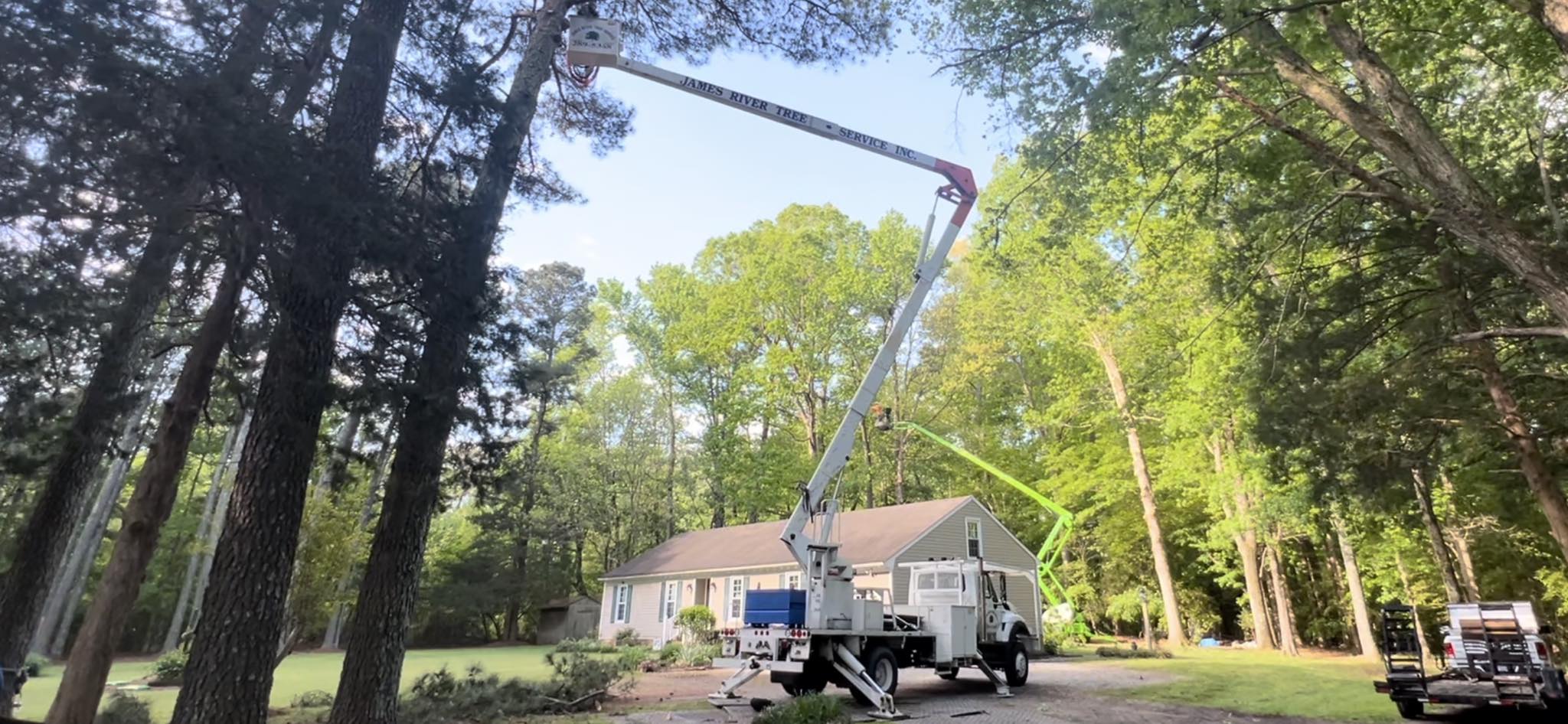
To support wildlife through tree management, consider a few actionable tips. Firstly, avoid clearing too many trees without professional guidance. While removing certain trees might be necessary for safety, indiscriminate clearing can disrupt local ecosystems. Work with tree service professionals like James River Tree Service to evaluate tree health and understand which species are most beneficial for local wildlife.
Secondly, choose native species when planting new trees. Native trees are adapted to the local climate and are more likely to thrive without excessive maintenance, thus providing stable habitats and food sources for indigenous wildlife. They are also less likely to become invasive, competing with local flora and fauna.
Lastly, consider adding cavities or creating brush piles from pruned branches. These provide additional habitat for species that rely on ground cover or hollow spaces, like certain birds and small mammals.
In conclusion, trees are vital to the survival and flourishing of local wildlife, offering shelter, food, climate regulation, and biodiversity support. As a property owner, you have the opportunity to make a positive impact on your local ecosystem by preserving and promoting healthy tree growth. At James River Tree Service, we are here to help you make informed decisions that benefit both your landscape and the wildlife it supports. Embrace the symbiotic relationship between trees and wildlife, and transform your property into a vibrant ecological sanctuary.
/filters:no_upscale()/filters:format(webp)/media/ba79db86-3fc3-4fc7-a3ba-417372eea1c5.jpeg)