The Art and Science of Tree Transplanting: What You Need to Know Jan 11, 2026
The journey of tree transplanting begins with understanding the tree's health and suitability for relocation. Not every tree is fit for transplanting; factors such as tree species, size, and age play a crucial role. Younger, smaller trees generally have a higher success rate. However, if a larger tree must be moved, advanced planning and expertise are essential to mitigate risks.
Time is an important factor in the tree transplanting process. The best period to transplant trees is during their dormant seasons—fall or early spring, when trees are not actively growing and stress is minimized. During these times, trees can adjust to their new environment without the added pressure of sustaining foliage and fruit.
When planning the transplantation, one must consider the soil condition of both the current and new locations. Good drainage is critical, as overly wet or dry soil can be detrimental to the tree's health. It's essential to examine the soil pH and nutrient levels to ensure compatibility with the tree species being moved. A soil test can help determine if amendments are necessary to create an environment where the tree will thrive.
Proper root preparation is another crucial element in the tree transplanting process. This involves careful pruning and wrapping of the root ball to protect it during the move. A substantial root ball helps maintain the tree's health as it adjusts to the new location. It is advisable to water the tree thoroughly before the move and keep the root ball moist throughout the process.
The new location must be meticulously prepared to welcome its new inhabitant. This includes digging a hole that is wide and deep enough to accommodate the root ball, providing plenty of room for roots to expand. Maintaining the tree at the same depth as it was previously growing is essential to prevent shock and promote healthy growth.
Once transplanted, the aftercare of the tree becomes paramount. Regular watering is crucial, especially during the first growing season. However, it is important to avoid overwatering, as this can lead to root rot. A layer of mulch around the base of the tree helps retain moisture and moderates soil temperature, further supporting the tree's acclimation to its new environment.
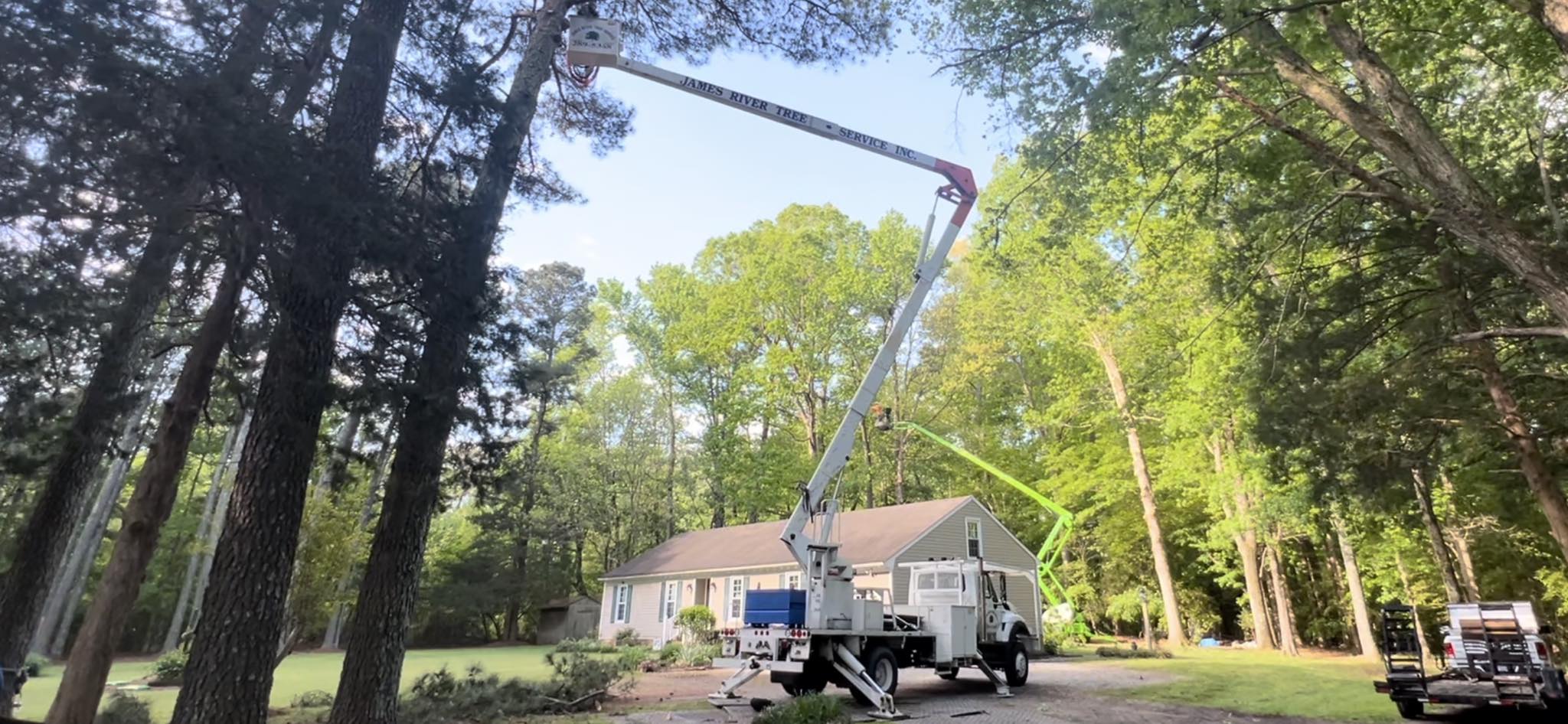
Tree transplanting, when done correctly, can greatly enhance the aesthetic and ecological value of a landscape. At James River Tree Service, our expert team is dedicated to ensuring the prosperity of your transplanted trees by using industry best practices and personalized care plans tailored to the needs of each tree and environment.
In conclusion, while tree transplanting may seem like a daunting task, embracing the art and science behind it can yield rewarding results. With careful planning, proper technique, and expert assistance, the successful transplantation of trees is well within reach, allowing your landscape to flourish in new and dynamic ways.
/filters:no_upscale()/filters:format(webp)/media/ba79db86-3fc3-4fc7-a3ba-417372eea1c5.jpeg)