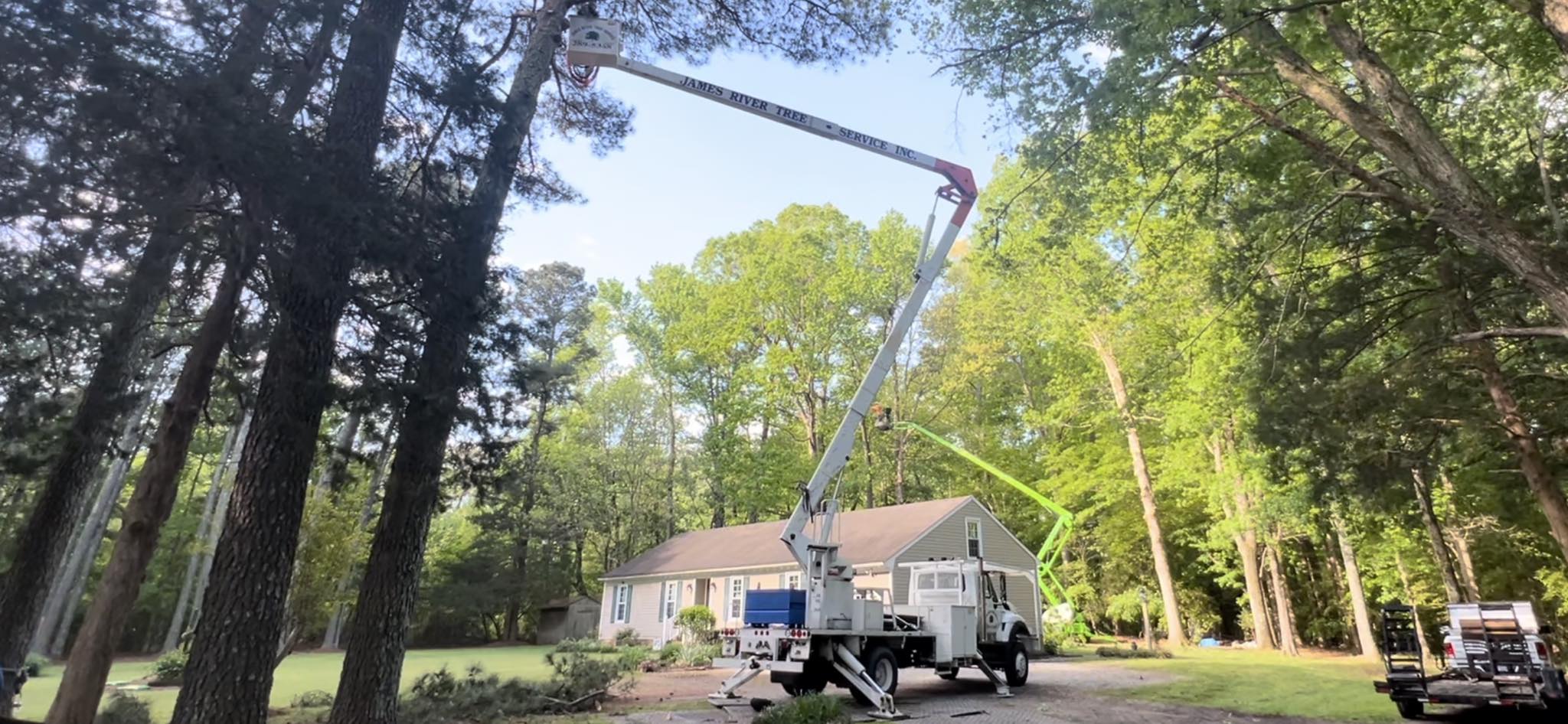
Reviving Your Storm-Damaged Trees: Essential Recovery Strategies Apr 22, 2026
Firstly, it's important to assess the extent of the damage. A careful examination will help you determine which trees are salvageable and which ones might pose a hazard. Look for broken branches and splintered trunks, as these issues can indicate structural compromise. If you're unsure about the severity of the damage, consulting a professional tree service can provide peace of mind and guidance on the steps to take.
Once you've evaluated the damage, the immediate task is to clear debris safely. Remove any fallen branches and cut back jagged breaks to clean up the area. This not only improves the aesthetic but also allows you to assess the underlying structure of the tree for further action. Taking prompt action will minimize additional stress on the trees and prevent the spread of disease.
Pruning is the next critical step in the recovery process. Focus on removing damaged or dead limbs while being mindful not to over-prune. Excessive cutting can stress the tree further, particularly when it is compromised. It's generally best to prune just enough to stabilize the tree, retaining as many healthy branches as possible to support its recovery. Proper pruning techniques can encourage new growth, providing the tree with a better chance to rebound.
A common concern with storm damage is the risk of infection and disease. To combat this, applying wound dressing can help protect the freshly cut areas of the tree. This precautionary measure will reduce the likelihood of pests and decay, preserving the tree's vitality as it heals.
Encouraging a healthy environment for your trees is also pivotal to their recovery. Check the soil around the roots, as storms can compact the soil, impacting the tree's ability to access nutrients and water. Aerating the soil can alleviate this issue, helping ensure the roots receive what they need to thrive. Additionally, consider mulching around the base of the tree to retain moisture and provide essential nutrients as it recovers.
Furthermore, providing consistent and adequate watering is essential, especially if your area experiences drought after a storm. Trees under stress need proper hydration to recover; however, it's equally important not to overwater, as this can lead to root rot.
Finally, patience is key. Trees have an incredible capacity to heal, but it takes time. Continual monitoring and care will support their recovery over the coming months. If you suspect deeper or internal damage, don't hesitate to reach out to our team at James River Tree Service. Our expertise in storm recovery can guide you through the next steps to ensure your trees and landscape remain healthy and safe.
Reviving storm-damaged trees can seem daunting, but with strategic care and professional advice, your landscape can return to its former glory. Proper assessment, pruning, and nurturing are at the heart of ensuring your cherished trees rejuvenate effectively. Trust James River Tree Service for expert assistance and let us help you restore the natural beauty of your garden.
/filters:no_upscale()/filters:format(webp)/media/ba79db86-3fc3-4fc7-a3ba-417372eea1c5.jpeg)