Preparing Your Trees for Winter: A Complete Guide Dec 03, 2025
Understanding the Needs of Different Trees
Before diving into the preparation process, assess the specific requirements of the trees on your property. Different species have varying sensitivities to cold weather. Deciduous trees, for example, shed their leaves and enter a dormant state, needing minimal intervention. Evergreens, on the other hand, may require additional support to endure the weight of snow and potential moisture loss. Knowing the unique needs of your trees is the first step in addressing their winter care.
Pruning for Protection and Growth
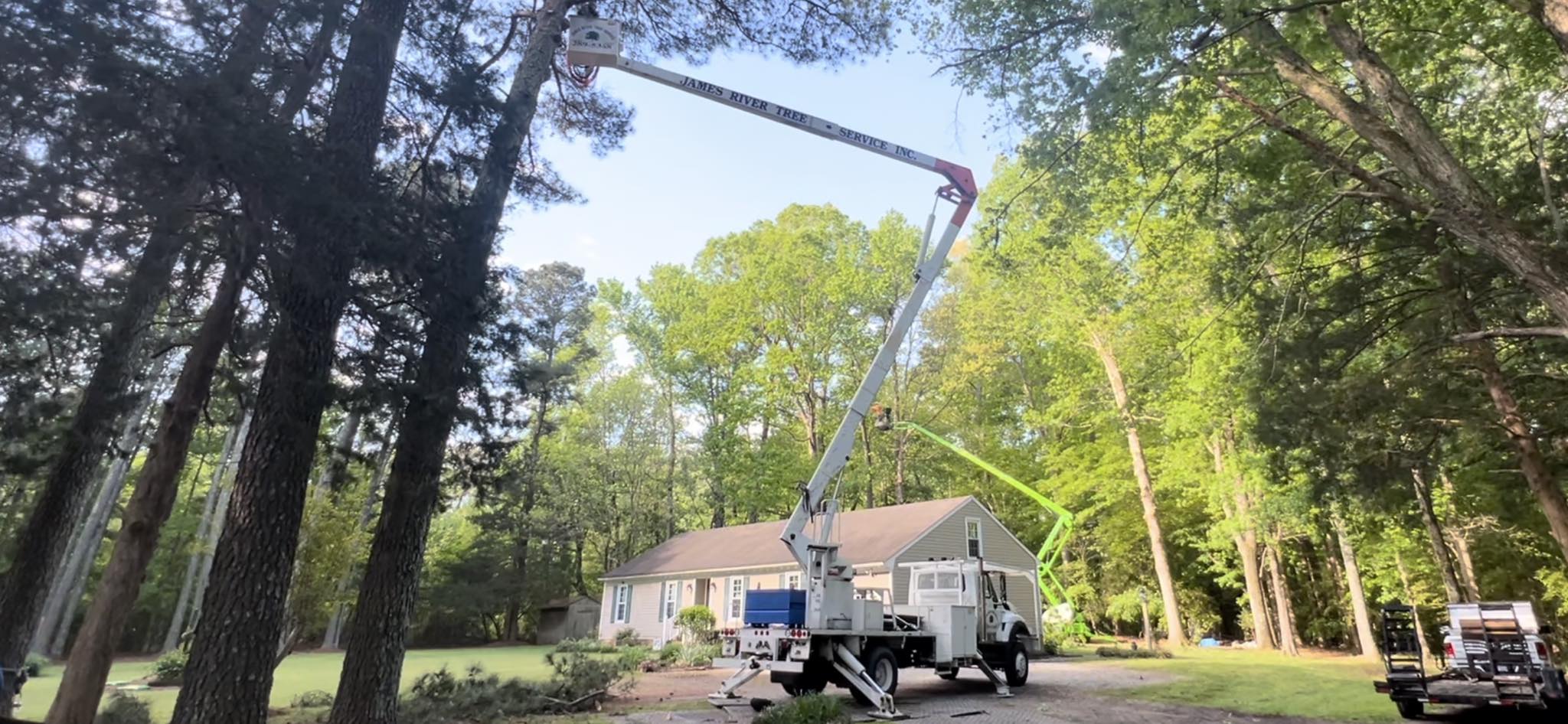
One of the most critical steps in preparing your trees for winter is pruning. Proper pruning helps in removing dead or weak branches that could pose a risk during storms or heavy snowfall. This not only protects your property but also aids in promoting healthier growth in the spring. Focus on cutting back any diseased or damaged limbs to enhance the tree's ability to withstand winter stress. For best results, consider reaching out to professionals like James River Tree Service to ensure precise and safe pruning.
Mulching for Insulation
Mulch acts as a protective blanket for your trees, providing insulation against fluctuating temperatures. Apply a layer of organic mulch, about two to four inches thick, around the base of your trees. This helps retain soil moisture and prevents the ground from freezing too quickly. Remember to keep the mulch away from the tree trunk to prevent issues like rot and pests. This simple step can greatly increase your trees' ability to cope with winter conditions.
Hydration Before the Freeze
Watering trees may not be at the forefront of your mind as temperatures drop, but proper hydration is vital. Ensure your trees receive adequate water before the ground freezes to keep them hydrated during their dormant months. This is especially important for younger trees and those planted in the last three years. Water deeply, soaking the root zone well, especially during dry fall periods.
Protection Against Wildlife and Pests
Winter can bring about an increase in wildlife activity as animals search for food sources. Young trees, in particular, can fall victim to animal damage. Protect your trees with physical barriers like tree guards or wraps. Additionally, inspect your trees for signs of pest infestations. Applying insecticides as a preventive measure might be necessary, especially if your area is prone to specific pest problems in winter.
Winter Tree Health Monitoring
Even with thorough preparation, continuous monitoring of your trees throughout the winter is essential. Periodically inspect your trees for signs of stress or breakage after storms. Look for abnormalities in bark or branches that might indicate underlying health issues. If you notice anything concerning, consult with experts like James River Tree Service for advice and further action.
In conclusion, while trees are built to survive harsh conditions, they greatly benefit from a little help in facing winter head-on. By following these preparation steps, your trees will be well on their way to surviving the winter months robustly. At James River Tree Service, we are committed to supporting you with expert advice and services tailored to ensure your landscape remains healthy and vibrant all year long.
/filters:no_upscale()/filters:format(webp)/media/ba79db86-3fc3-4fc7-a3ba-417372eea1c5.jpeg)