Expert Techniques for Tree Preservation in Historic Sites May 16, 2026
Understanding the Historical and Ecological Importance
Trees in historic sites are living witnesses to the past, contributing both aesthetic value and historical context. Before any preservation work begins, a comprehensive evaluation of the site's historical and ecological significance is essential. Consulting with historians and arborists, like the experienced professionals at James River Tree Service, ensures that any effort aligns with the site's preservation goals.
Assessing Tree Health and Vitality
A fundamental step in tree preservation is conducting a thorough health assessment. This involves examining the tree for any signs of disease, pest infestations, or structural weaknesses. Expert arborists use techniques such as soil testing, root examinations, and analyzing tree rings to determine the vitality of the tree. This information guides the development of a tailored preservation plan.
Implementing Pruning and Trimming Techniques
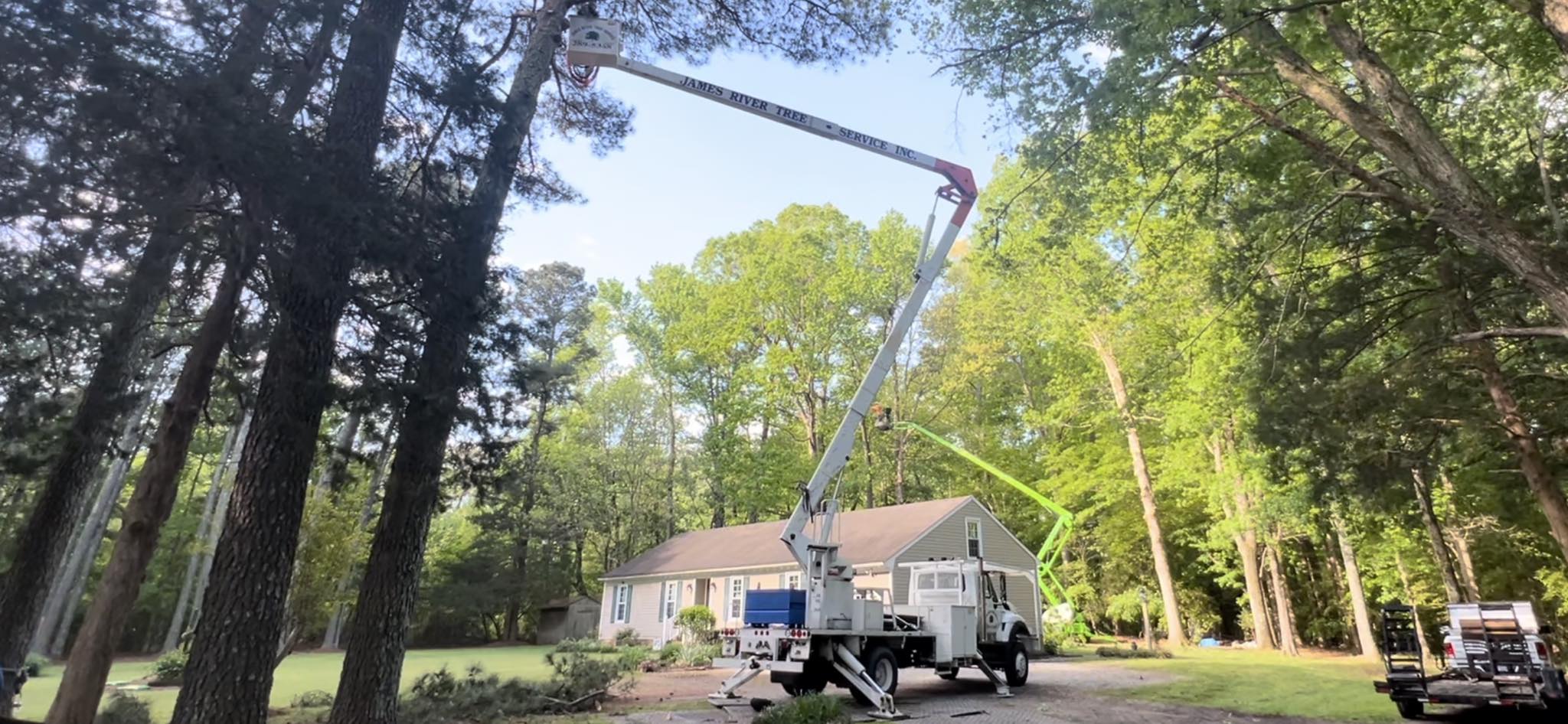
Pruning and trimming are crucial for encouraging healthy growth and preventing potential hazards. In historical sites, the objective is not just to maintain, but to enhance, the tree's natural shape and allow for its healthy development. Professional services, like those offered by James River Tree Service, include strategic cutting that considers the tree's age, species, and the historic nature of its surroundings.
Soil Enhancement and Nutrition Management
The health of any tree starts with the soil in which it grows. Many historic trees have been standing for hundreds of years in environments that may not always offer optimal soil conditions. Our team employs advanced soil enhancement techniques, ensuring trees receive the necessary nutrients. This could involve adding organic matter, adjusting pH levels, or employing aeration techniques to improve soil structure.
Pest and Disease Management
Trees in historic sites are not exempt from the threats of pests and diseases. Regular monitoring is crucial to quickly identify any potential issues. Integrated pest management strategies are key, combining biological, cultural, and chemical methods to manage pests sustainably. Our experts are trained in using environmentally friendly treatments that effectively protect historic trees without harming their surroundings.
Protecting Against Physical Damage
Finally, protecting historic trees from physical harm is essential. This involves installing barriers to prevent soil compaction and mechanical injury from human activity. Educating visitors and staff about the importance of these trees and how to help protect them is also an impactful strategy.
Conclusion: Preserving the Past for Future Generations
Preserving trees at historic sites is not a task to be taken lightly. It requires specialized knowledge, skilled techniques, and a deep respect for history and nature. At James River Tree Service, our commitment to tree preservation reflects our dedication to maintaining the living history these trees represent. By implementing expert techniques, we can ensure these natural landmarks continue to grace historic sites for generations to come, acting as a bridge between the past and the future. If you are in need of expert tree preservation services, reach out to our team for an assessment and customized care plan tailored to your historic site's unique needs.
/filters:no_upscale()/filters:format(webp)/media/ba79db86-3fc3-4fc7-a3ba-417372eea1c5.jpeg)