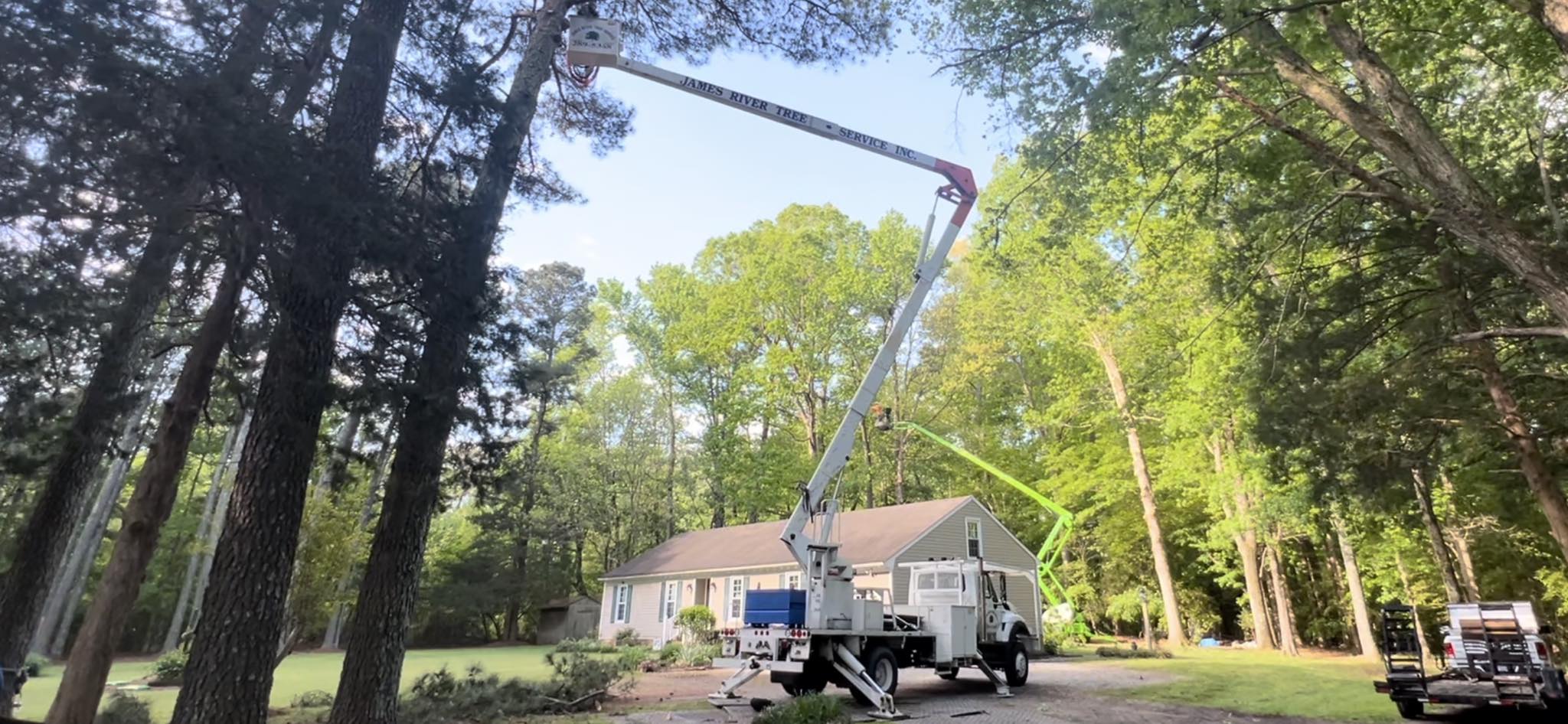
Environmental Benefits of Strategic Tree Placement in Urban Areas Dec 25, 2025
The importance of trees in urban settings extends beyond their visual appeal. Trees are natural air purifiers, absorbing pollutants and releasing oxygen. In cities where vehicle emissions and industrial activities increase air pollution, trees act as environmental allies. By incorporating strategic tree placement, urban planners can create healthier environments for city dwellers. The natural photosynthesis process helps in reducing carbon dioxide levels, thus improving air quality.
Moreover, trees help regulate city temperatures. The urban heat island effect, a phenomenon where urban areas become significantly warmer than their rural surroundings, is a growing concern. Buildings, roads, and other infrastructures absorb heat, making cities warmer. However, strategically placed trees provide shade and release moisture through transpiration, effectively cooling the air and reducing the overall temperature. This cooling effect not only mitigates heat but also contributes to energy savings by lowering the demand for air conditioning during hot months, offering economic advantages to residents.
Trees also play a vital role in water management. Urban areas are often plagued by stormwater runoff issues, which can lead to flooding. Tree canopies intercept rainfall, thus reducing runoff and promoting better water absorption into the soil. The roots of trees play a significant role in stabilizing the soil, preventing erosion, and promoting groundwater recharge. Through proper planning and maintenance, companies like James River Tree Service can help cities combat the adverse effects of urban runoff.
Biodiversity is another area where trees make a substantial impact. Urban green spaces serve as mini-habitats for birds, insects, and other wildlife, contributing to enhanced biodiversity even within densely populated cities. These natural spaces not only support wildlife but also offer recreational and psychological benefits for human inhabitants, promoting mental well-being by providing natural spaces for relaxation and leisure activities.
Effective tree placement requires careful planning and expertise, acknowledging factors such as species selection and growth patterns. Partnering with experienced professionals like James River Tree Service ensures that trees are placed in areas where they can thrive and provide maximum benefits. They can advise on choosing native species that require less maintenance and are more suited to the local climate and soil conditions.
Furthermore, community involvement is crucial in managing urban forests. Educating the public about the benefits of trees and involving them in planting and maintenance activities can create a sense of ownership and commitment to sustaining urban greenery. Engaged citizens and local businesses can collectively contribute to healthier, more vibrant city environments.
In conclusion, the environmental benefits of strategic tree placement in urban areas are manifold, encompassing improved air quality, temperature regulation, water management, and biodiversity enhancement. Companies like James River Tree Service are instrumental in helping urban planners achieve these goals. As cities continue to grow, incorporating green infrastructure through strategic tree placement will be vital in creating sustainable, livable urban environments that support both human and ecological interests.
/filters:no_upscale()/filters:format(webp)/media/ba79db86-3fc3-4fc7-a3ba-417372eea1c5.jpeg)