Enhancing Biodiversity: How to Create a Tree-Friendly Habitat in Your Backyard Jul 08, 2026
First and foremost, selecting the right tree species is crucial. Native trees are the cornerstone of a healthy ecosystem. They are adapted to the local climate and soil conditions, require less maintenance, and provide essential food and habitat for local wildlife. Consider species such as the Eastern Redbud or American Sycamore, which are known for their resilience and ecological value in many regions.
Proper planting is the next step in cultivating a successful tree-friendly habitat. Make sure to plant trees in a location where they can grow without obstructions, such as power lines or buildings. Consider the mature size of the tree to ensure enough space for its roots and canopy. This foresight helps prevent competition for resources and reduces the need for aggressive pruning later on. Moreover, planting trees in groups can imitate natural forest conditions, offering wind protection and creating a microenvironment favorable for various organisms.
Once your trees are in place, maintaining healthy soil is essential for sustaining your habitat. Healthy soil supports soil organisms, aiding in pest control and nutrient cycling. Utilize organic mulch around the base of your trees to retain moisture, regulate temperature, and prevent weed competition. Mulching mimics the forest floor’s natural conditions, providing trees with a steady supply of nutrients as it decomposes.
In addition to trees, incorporating mixed vegetation enhances the biodiversity of your backyard. Shrubs, groundcovers, and wildflowers create different layers in your garden, mirroring natural ecosystems. This layering provides additional food and shelter for wildlife, increasing the number and types of species that can thrive in your yard. Opt for pollinator-friendly plants to attract bees, butterflies, and other beneficial insects, which in turn support tree reproduction and growth.
Water management is another critical factor in establishing a tree-friendly habitat. Install rain gardens or swales to capture and utilize rainwater effectively, while minimizing runoff and erosion. This not only conserves water but also supports the moisture needs of your trees and plants. Additionally, creating a small pond or water feature can attract a variety of amphibians and insects, contributing to your garden’s ecological balance.
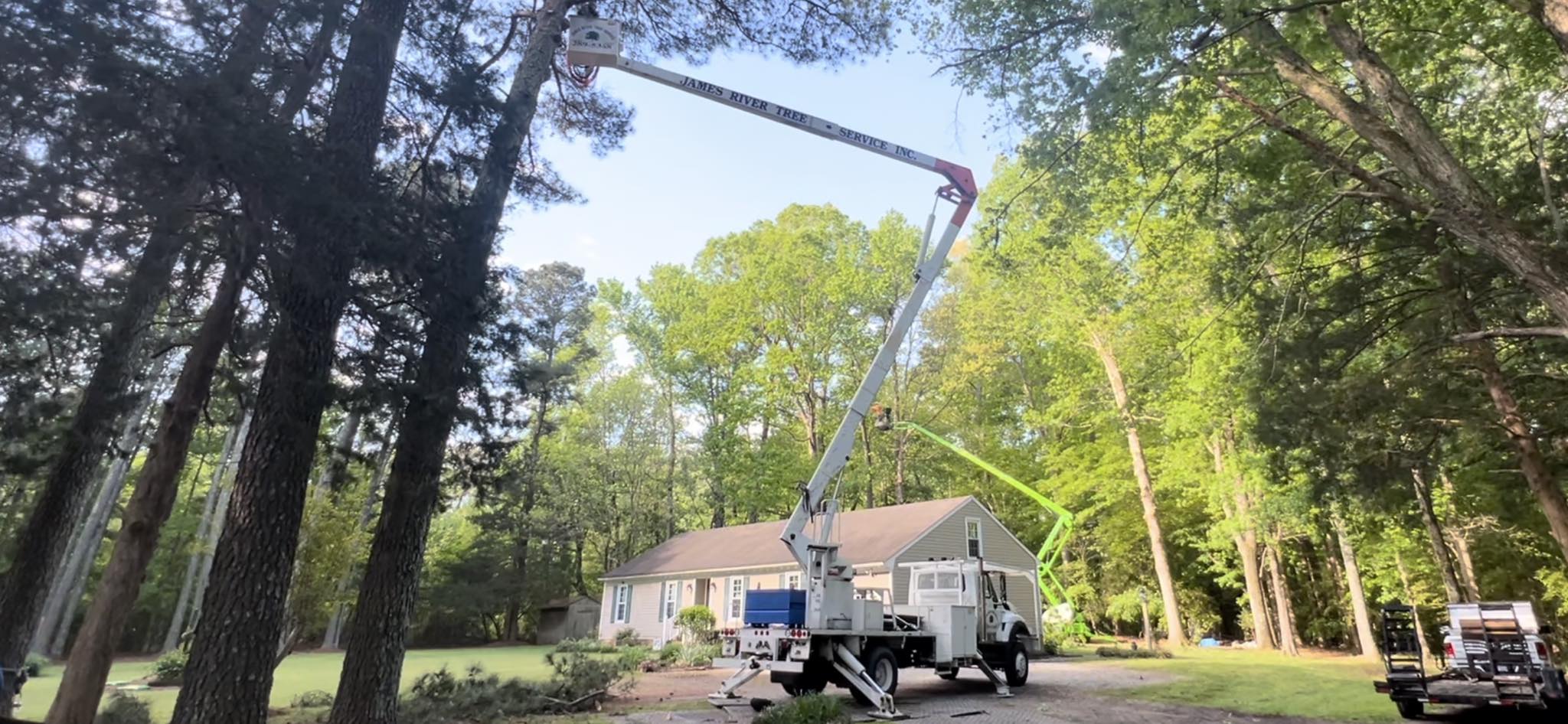
Regular monitoring and maintenance help ensure the continued health of your tree habitat. Conduct seasonal checks for signs of disease or pest infestations. Should you encounter any issues, James River Tree Service is always ready to assist with expert tree care solutions. Our timely advice and services can bolster the health of your backyard ecosystem.
Establishing a tree-friendly habitat in your backyard is a gratifying endeavor that supports biodiversity, benefits the environment, and enhances your home’s natural beauty. Through careful planning and maintenance, you can create a thriving ecosystem that attracts wildlife, promotes native plant species, and contributes to the overall health of our planet. For personalized advice and professional tree services, contact James River Tree Service, your partner in cultivating a sustainable and biodiverse landscape.
/filters:no_upscale()/filters:format(webp)/media/ba79db86-3fc3-4fc7-a3ba-417372eea1c5.jpeg)